The Ethical Implications of AI
Artificial intelligence (AI) is a powerful technology with the potential to revolutionise many industries and applications. However, AI also raises a number of ethical concerns. These concerns are particularly relevant in the business world, where AI is being used to make decisions that can have a significant impact on people's lives. the main points to consider are bias, job displacement, privacy, security and transparency.

The pervasiveness of AI and the potential for bias
Artificial intelligence (AI) is rapidly becoming an integral part of our lives, making decisions that impact everything from healthcare to criminal justice. While AI has the potential to revolutionise many aspects of society, it also raises significant ethical concerns, particularly the potential for bias.
AI algorithms and data-driven decision-making
AI algorithms are trained on vast amounts of data, which they use to learn patterns and make predictions. However, if the data used to train an AI algorithm is biased, the algorithm will be biased as well. This can lead to discriminatory decisions that perpetuate existing inequalities and injustices.
Examples of AI bias in real-world applications
Several real-world examples illustrate the potential for AI bias. In 2018, Amazon developed an AI recruitment tool that was found to discriminate against female candidates. The tool favored resumes that contained words associated with male-dominated roles, such as "executive" and "capital markets," over resumes that contained words associated with female-dominated roles, such as "human resources" and "customer service."
In another example, an AI system used by the U.S. criminal justice system to assess the risk of recidivism was found to be biased against black defendants. The algorithm was more likely to predict that black defendants would reoffend than white defendants with similar criminal histories. This bias led to black defendants being more likely to be denied bail or sentenced to longer prison terms.
The impact of AI bias on individuals and society
AI bias can have a profound impact on individuals and society as a whole. When AI systems make discriminatory decisions, it can deny individuals opportunities, limit their access to resources, and perpetuate harmful stereotypes. This can lead to feelings of injustice, frustration, and anger, and it can exacerbate existing social inequalities.
Mitigating AI bias and promoting ethical AI development
There are a number of steps that can be taken to mitigate AI bias and promote ethical AI development. These steps include:
By taking these steps, we can help to ensure that AI is used in a way that benefits everyone, not just a select few.
Certainly, here's an extended version of the passage addressing the ethical concern of job displacement due to AI advancements:
Preparing for the AI Workforce: Addressing the Ethical Implications of Job Displacement

The rapid advancement of artificial intelligence (AI) has brought about a wave of transformative technologies, promising to revolutionise various aspects of our lives. While AI holds immense potential for progress and efficiency, it also raises profound ethical concerns, one of which is the potential for widespread job displacement.
As AI systems become increasingly sophisticated and capable of performing tasks previously deemed exclusively human, they pose a significant threat to traditional employment patterns. Automation, driven by AI, has the potential to render many jobs obsolete, particularly those involving routine, repetitive tasks. This could lead to mass unemployment, particularly among low-skilled workers, exacerbating existing social and economic inequalities.
The potential impact of AI-driven job displacement is not merely a hypothetical scenario; it is already becoming a reality. Recent studies have estimated that automation could displace up to 800 million jobs worldwide by 2030. This disruption is particularly evident in industries such as manufacturing, transportation, and customer service, where AI-powered systems are increasingly taking over tasks previously handled by human workers.
The consequences of large-scale job displacement extend far beyond economic hardship. The loss of employment can have a devastating impact on individuals' lives, affecting their identity, sense of purpose, and overall well-being. It can lead to increased poverty, social unrest, and a decline in living standards.
Moreover, the concentration of wealth and power in the hands of a few AI-driven industries could further exacerbate existing social inequalities. The transition to an AI-dominated economy may disproportionately benefit those with the skills and resources to adapt, while leaving behind those who struggle to keep up with the rapid pace of technological change.
Addressing the ethical concerns surrounding AI-driven job displacement requires a multifaceted approach. Governments,businesses, and educational institutions must work together to prepare for the future of work. This includes:
The ethical implications of AI-driven job displacement demand urgent attention. By proactively addressing this challenge, we can mitigate its potentially devastating effects and ensure a future where AI serves as a tool for progress and shared prosperity, not a catalyst for social disruption and inequality.
In addition to these two broad concerns, there are a number of other ethical implications of AI in business. For example, AI raises concerns about privacy, security, and transparency.
Privacy: A Looming Threat in the Age of AI

AI systems often collect and use large amounts of personal data, including names, addresses, financial information, and even sensitive information such as medical records and social security numbers. This vast trove of data, often collected without explicit consent or full understanding of its use, raises concerns about how this information is being collected,stored, and used.
One of the primary concerns is the potential for AI systems to be used for surveillance and tracking purposes. AI-powered surveillance systems can collect and analyze data from a variety of sources, including cameras, microphones, and social media, to track people's movements, monitor their activities, and even create detailed profiles of their personal lives. This raises concerns about the potential for these systems to be used for mass surveillance, targeted advertising, and even social manipulation.
Another concern is the potential for AI systems to be used for discriminatory practices. Biased AI algorithms, trained on incomplete or biased data, can perpetuate existing inequalities and injustices. For instance, an AI system used to make hiring decisions may be biased against certain groups of people if it is trained on data that shows that those groups are less likely to be successful in the job.
Privacy concerns surrounding AI systems extend beyond personal data and encompass intellectual property rights. AI models often incorporate copyrighted material or other intellectual property without proper authorization. This raises ethical questions about the ownership and use of creative outputs generated by AI systems.
Addressing the privacy concerns surrounding AI systems requires a multifaceted approach. Governments, businesses, and individuals must work together to establish clear guidelines and regulations for the collection, storage, and use of personal data. This includes:
The ethical implications of AI's impact on privacy demand urgent attention. By proactively addressing these concerns, we can safeguard individuals' privacy rights, prevent the misuse of personal data, and ensure that AI is used in a responsible and ethical manner.
Security: A Critical Vulnerability in the Age of AI
AI systems are increasingly becoming integrated into critical infrastructure, financial systems, and autonomous technologies. This integration, while driving innovation and efficiency, also introduces significant security vulnerabilities.AI systems, like any software system, are susceptible to cyberattacks, making them potential targets for malicious actors seeking to disrupt operations, steal sensitive data, or manipulate AI-powered decision-making processes.

One of the primary concerns is the potential for AI systems to be used to launch cyberattacks. AI-powered malware can be designed to exploit vulnerabilities in AI systems and launch targeted attacks on critical infrastructure, financial systems, and even national security systems. These attacks could disrupt essential services, cause economic damage, and even threaten national security.
Another concern is the potential for AI systems to be used to manipulate financial markets. AI algorithms can be used to analyze vast amounts of financial data and identify patterns that can be exploited to make profitable trades or manipulate market prices. This could lead to insider trading, market manipulation, and financial instability.
The security concerns surrounding AI systems demand a multifaceted approach. Governments, businesses, and individuals must work together to enhance the security of AI systems and protect them from cyberattacks. This includes:
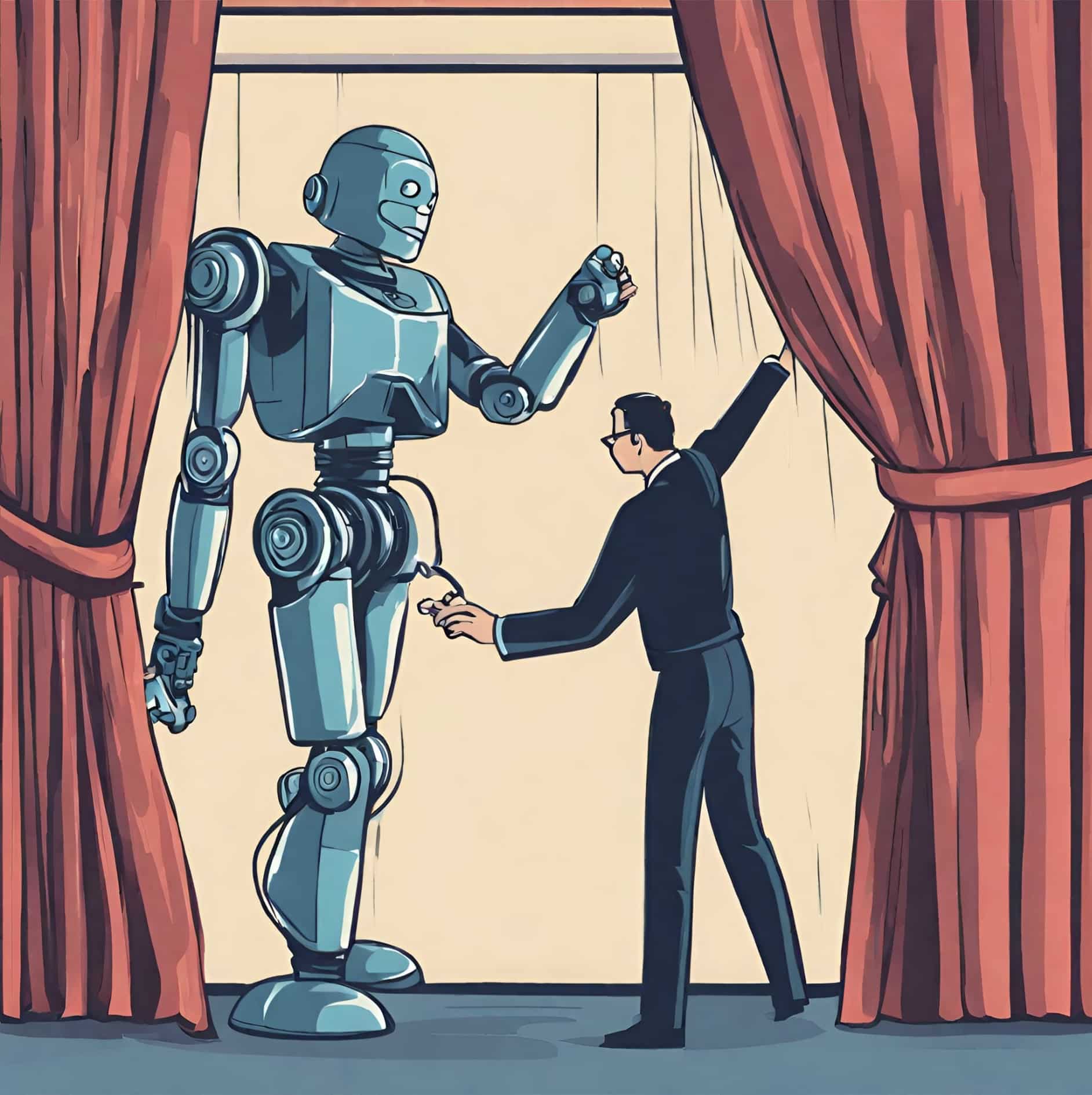
Unveiling the Curtain: Promoting Transparency in AI Decision-Making
AI systems are intricate networks of algorithms that analyze vast amounts of data to generate predictions and make decisions. While their capabilities are undeniable, the underlying mechanisms that govern their decision-making processes remain largely shrouded in mystery. This lack of transparency poses significant ethical concerns.
One of the primary concerns is the inability to understand the rationale behind AI decisions. When an AI system rejects a loan application or recommends a product to a customer, it is often difficult to determine the specific factors that influenced its decision. This lack of transparency can lead to frustration, distrust, and a sense of powerlessness among users.
Furthermore, the opaqueness of AI systems makes it challenging to hold them accountable for their decisions. If an AI system makes a biased or discriminatory decision, it can be difficult to identify the root cause and rectify the issue. This lack of accountability can perpetuate existing inequalities and injustices.
Addressing the transparency concerns surrounding AI systems requires a multifaceted approach. AI developers,companies, and regulators must work together to make AI systems more understandable and accountable. This includes:
Promoting Explainable AI (XAI): XAI techniques aim to provide insights into the decision-making processes of AI systems, allowing users to understand how AI arrives at certain conclusions.
Adopting transparent design principles: AI developers should strive to design AI systems in a way that makes their decision-making processes more transparent and interpretable. This includes using clear and concise language,providing explanations for decisions, and making it easy for users to access relevant information.
Establishing clear guidelines and regulations: Regulatory bodies should establish guidelines and regulations that mandate transparency in AI development and deployment. This includes requiring AI companies to provide explanations for their systems' decisions and to disclose the data used to train AI models.
Fostering public understanding of AI: Public education campaigns can help individuals understand the capabilities and limitations of AI, promoting informed decision-making and reducing the fear associated with AI technologies.
Businesses have a responsibility to use AI in a responsible and ethical way. To do this, businesses should:
Be transparent about how they are using AI. Businesses should disclose what AI systems they are using and how they are using those systems. Businesses should also explain how they are addressing the ethical concerns of AI,such as bias, job displacement, privacy, security, and transparency.
Use AI in a way that is aligned with their values. Businesses should consider their values when making decisions about how to use AI. For example, businesses should avoid using AI in a way that could discriminate against certain groups of people or that could lead to widespread unemployment.
Develop ethical guidelines for the use of AI. Businesses should develop ethical guidelines for the use of AI in their operations. These guidelines should address the ethical concerns of AI, such as bias, job displacement,privacy, security, and transparency.
Account for the ethical implications of AI when making decisions. Businesses should account for the ethical implications of AI when making decisions about new products, services, and business practices. For example,businesses should consider how AI could be used to harm people or to violate their privacy when developing new products and services.
By taking these steps, businesses can help to ensure that AI is used in a responsible and ethical way. This is important for protecting consumers, employees, and the public at large.
As artificial intelligence (AI) continues to revolutionize our world, it is crucial to acknowledge and address the complex ethical implications that accompany its advancements. From the potential for bias and job displacement to the threats to privacy and security, AI's impact on society is multifaceted and demands careful consideration.
The pervasiveness of AI in our daily lives makes it imperative to ensure that these technologies are developed and deployed responsibly. This requires a collective effort from AI developers, policymakers, and individuals to prioritize transparency, accountability, and ethical considerations throughout the AI development lifecycle.
By addressing the ethical concerns surrounding AI, we can harness the power of this transformative technology while safeguarding the fundamental values of fairness, privacy, and human dignity. AI holds immense potential to improve our lives, but only when used in a responsible and ethical manner that benefits all of humanity.